

The family vacation house
An office building
Places
make
people.
A tiny local restaurant
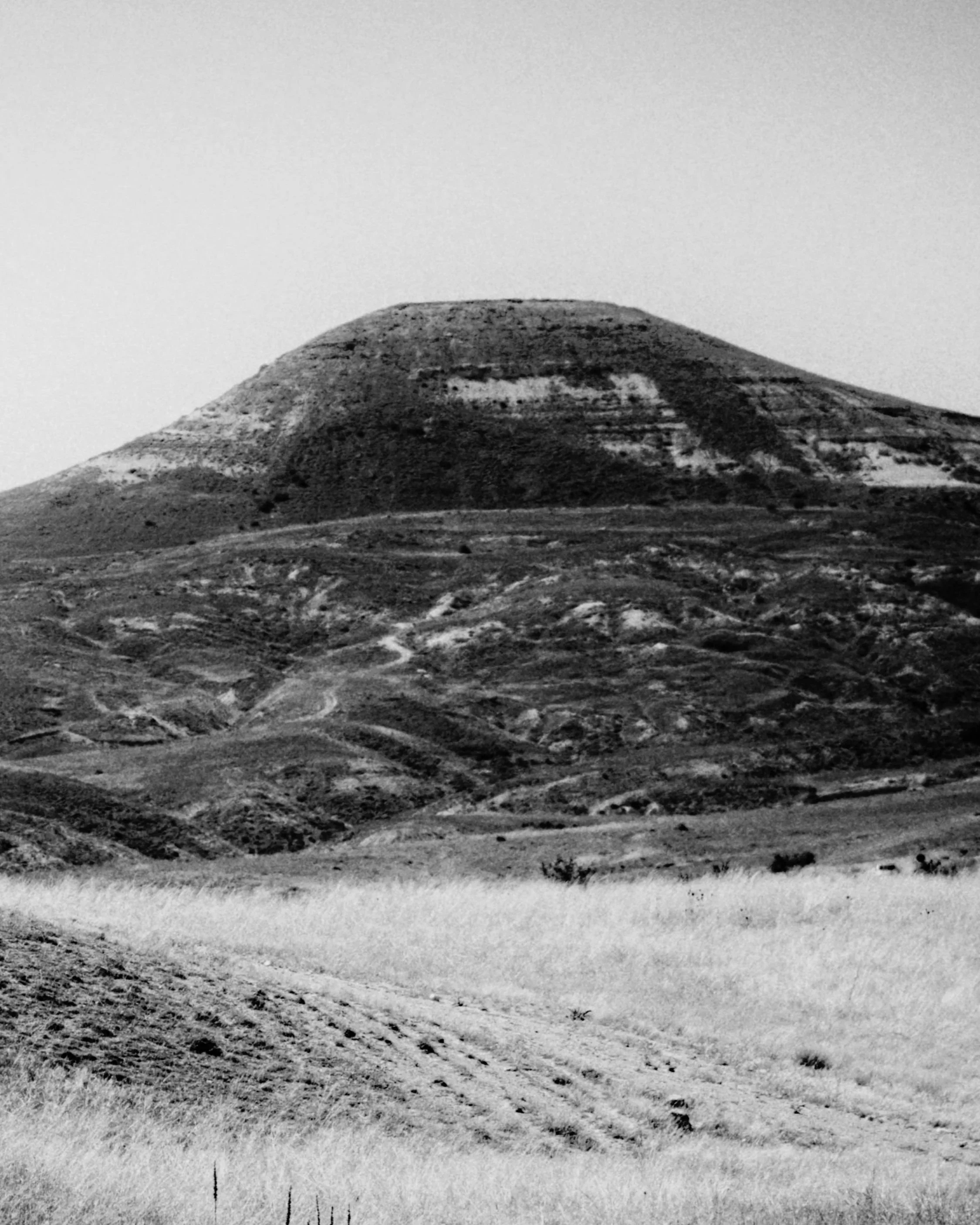
Rooms
A university campus
Cities
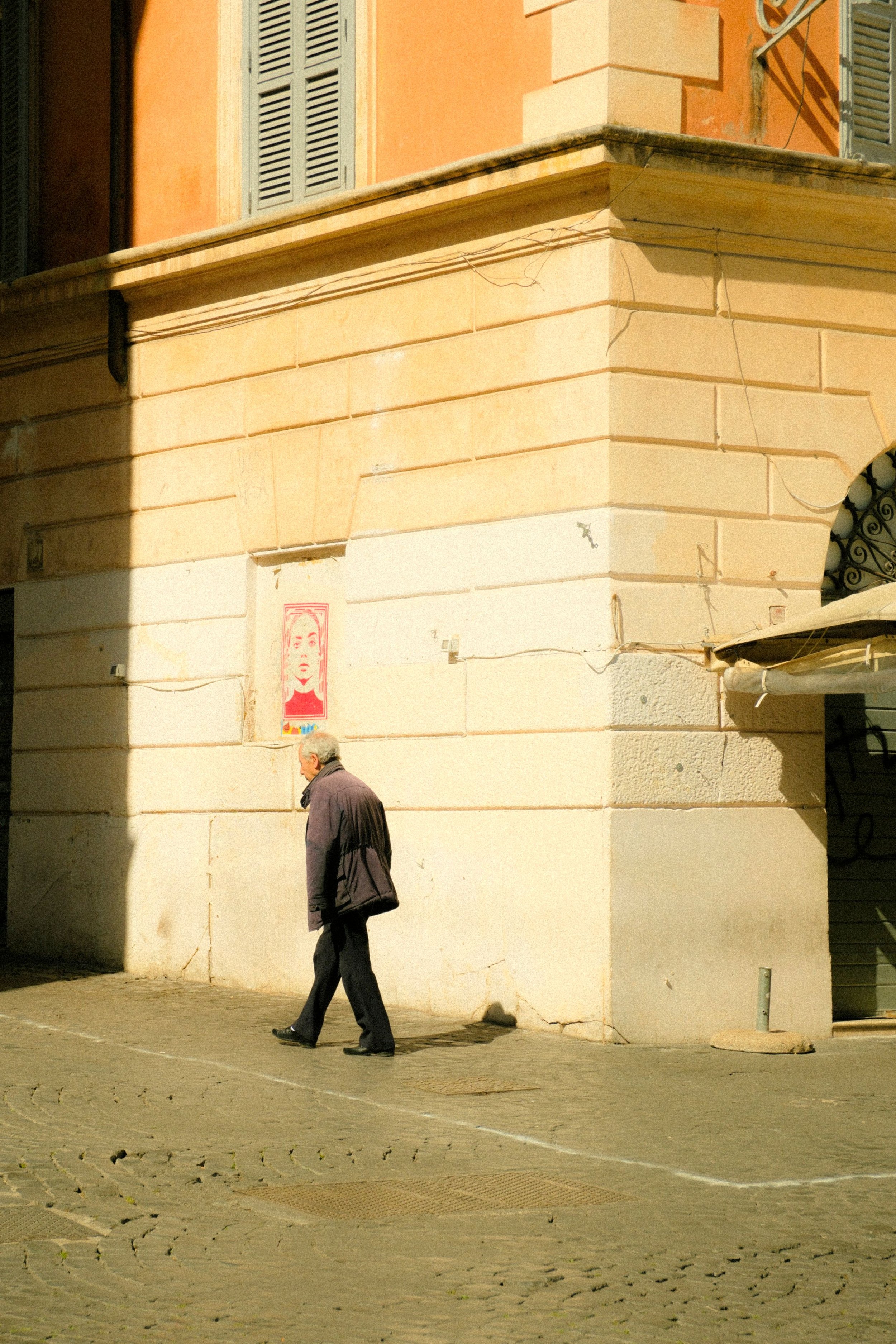
Neighborhoods
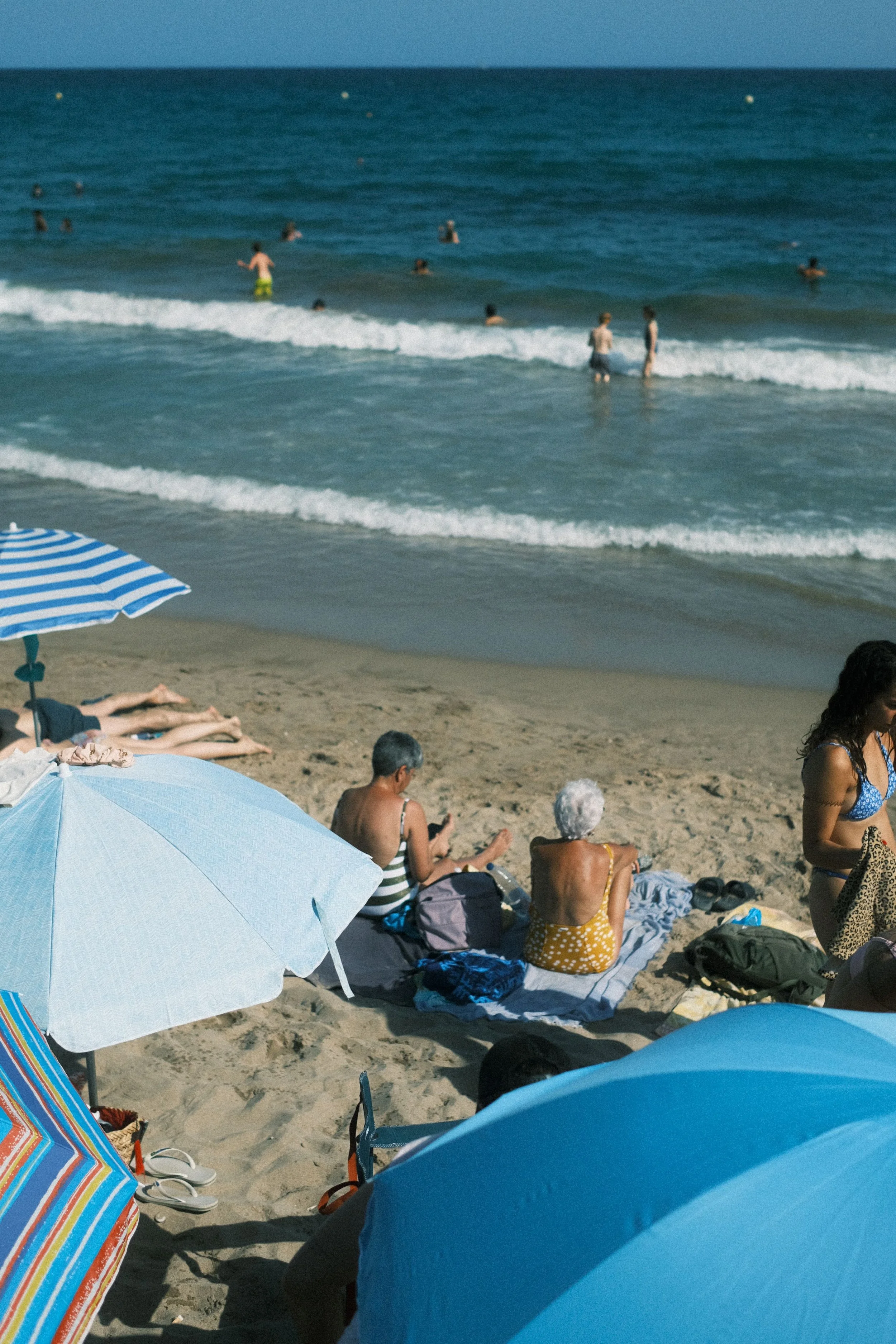
Homes
Resorts
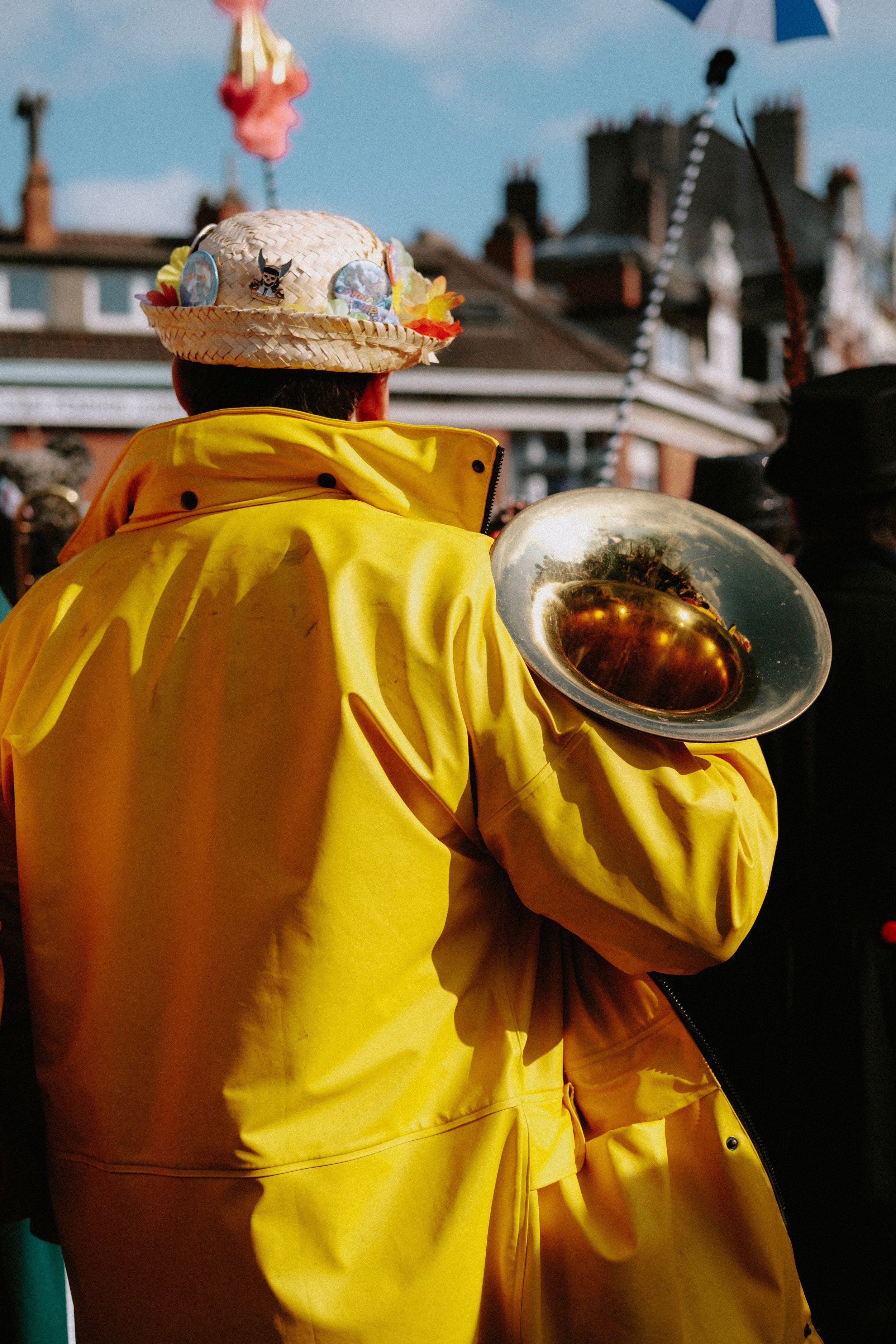
People make
places.
A childhood bedroom
The middle of the ocean
Countries
Such places are felt before they’re understood.
In 1980, social psychologist Robert Zajonc overturned a decades long assumption that affective judgment (liking and disliking) happens independently of, and earlier than cognitive reasoning. In other words, feeling doesn't wait for thinking to finish its work. It happens in seconds, and it's slow to undo.
That feeling isn't a mood one hopes for. It's the sum of every choice that makes a place. And none of it should be left to chance.
We build places deliberately, because we know they don't stay where we leave them. A place shapes the people who pass through it, long after the work is done.
Principles
DON’T START WITH A LOGO.
If a place needs an identity, it needs the thinking first: what it is, who it's for, what it should make people feel. Skipping to the surface is where most brands go wrong. This is the type of work we don’t take on.
1.
DON'T DO THE VERSION THAT COULD WORK ANYWHERE.
The safe move is to reach for existing gestures: familiar references, familiar collaborations, no matter the place. We love to make something that only makes sense here.
2.
DON'T DO SURFACE-LEVEL.
A brand isn't a final layer to apply once everything else is decided: a logo on the door, a nice typeface, a coat of paint. It's the sum of the choices, starting on day 0, that make a place what it is. If it's treated as the last thing, it has already failed.
3.
DON'T OUTSOURCE THE CREATIVE WORK TO A MACHINE.
The writing, the naming, the story, the design: these are conceived and made by people. AI can sort a spreadsheet; it can't have a point of view, and a point of view is the entire job.
4.