Harvest Series
Building a cultural platform around a place.
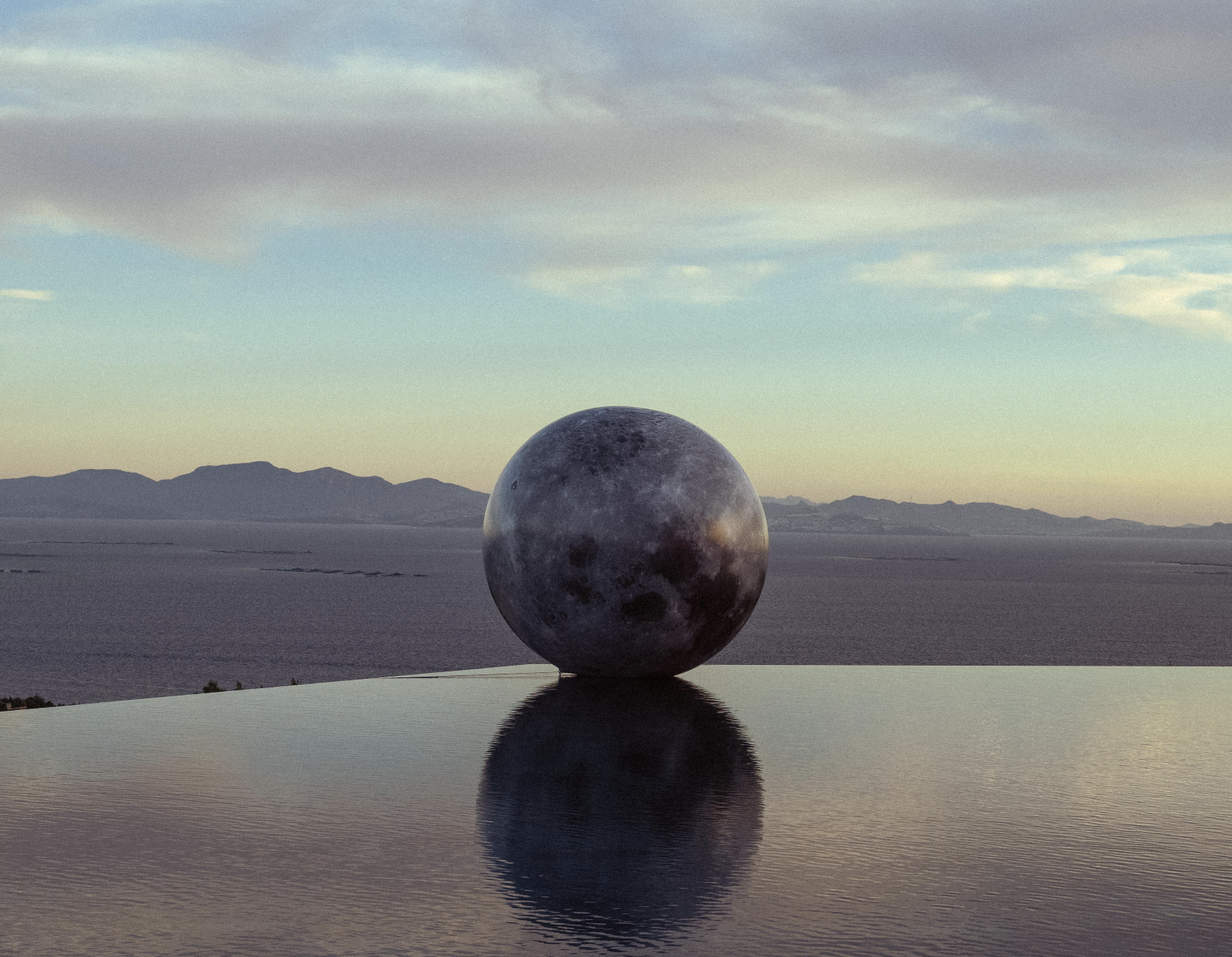
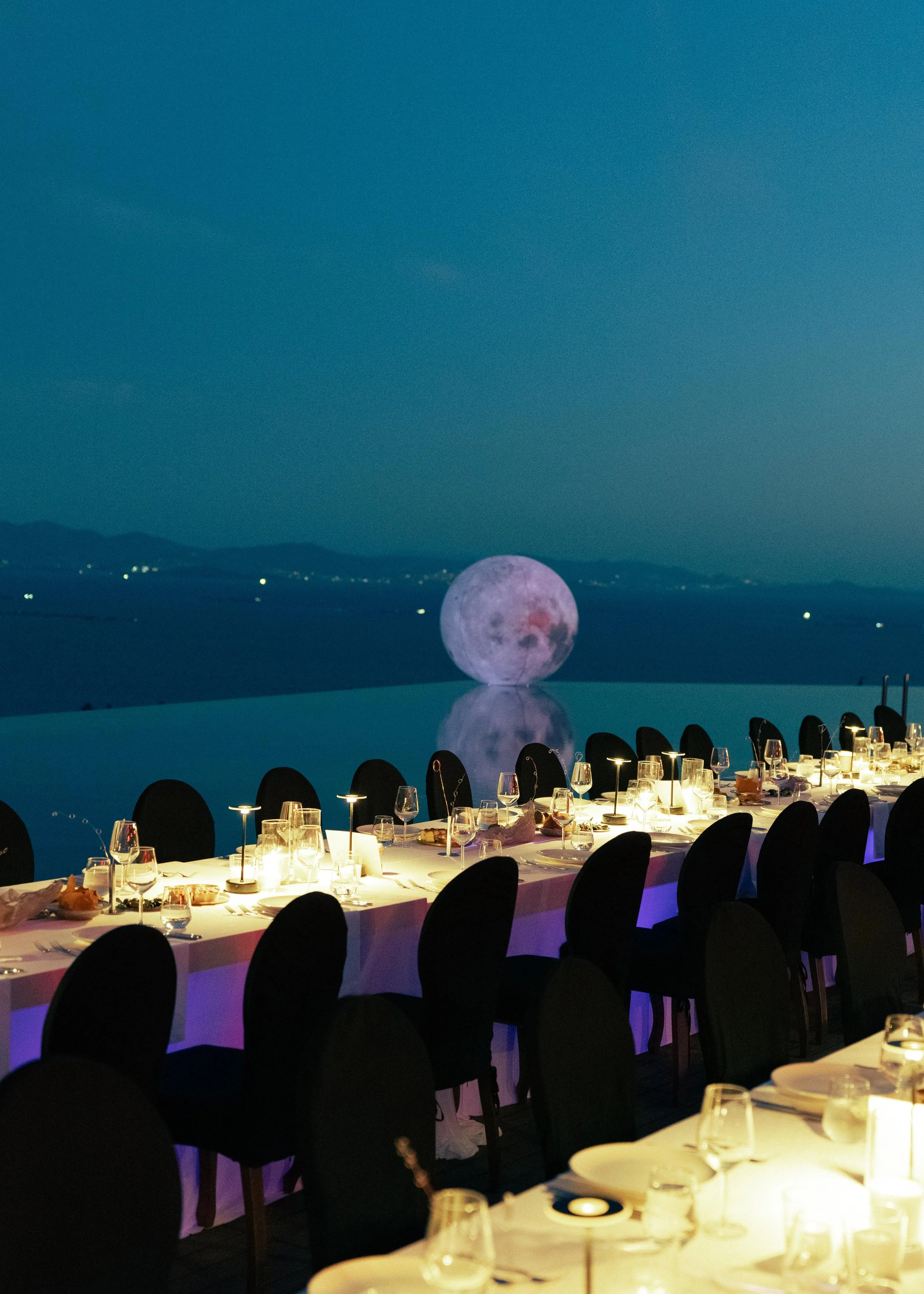
Harvest Series was founded by Roman Carel and Burak Öymen as a gathering built around ideas, community and shared experience. Its flagship event found a home at Six Senses Kaplankaya, on a remote stretch of Turkey’s Aegean coast: a destination far less established internationally than nearby Bodrum.
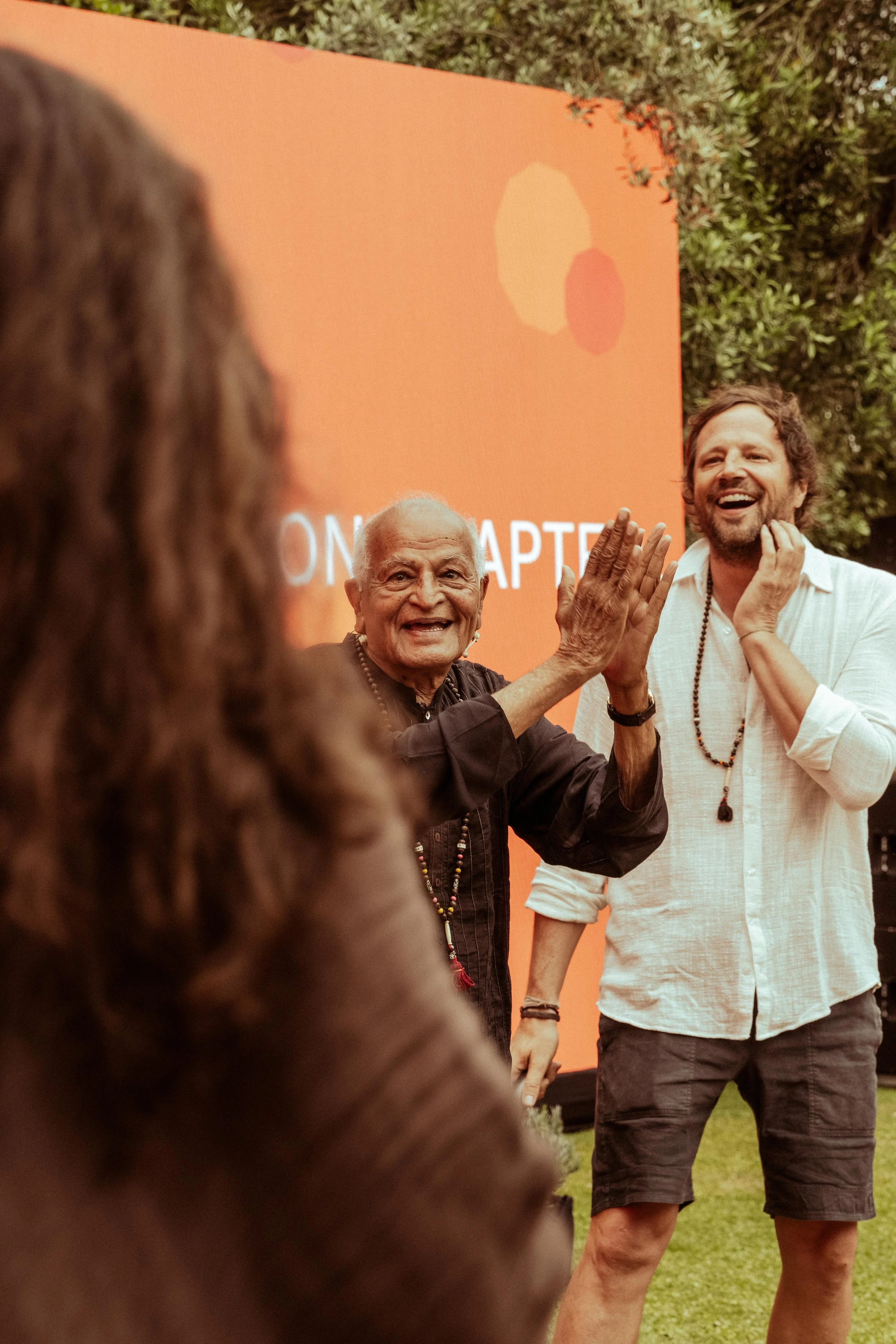
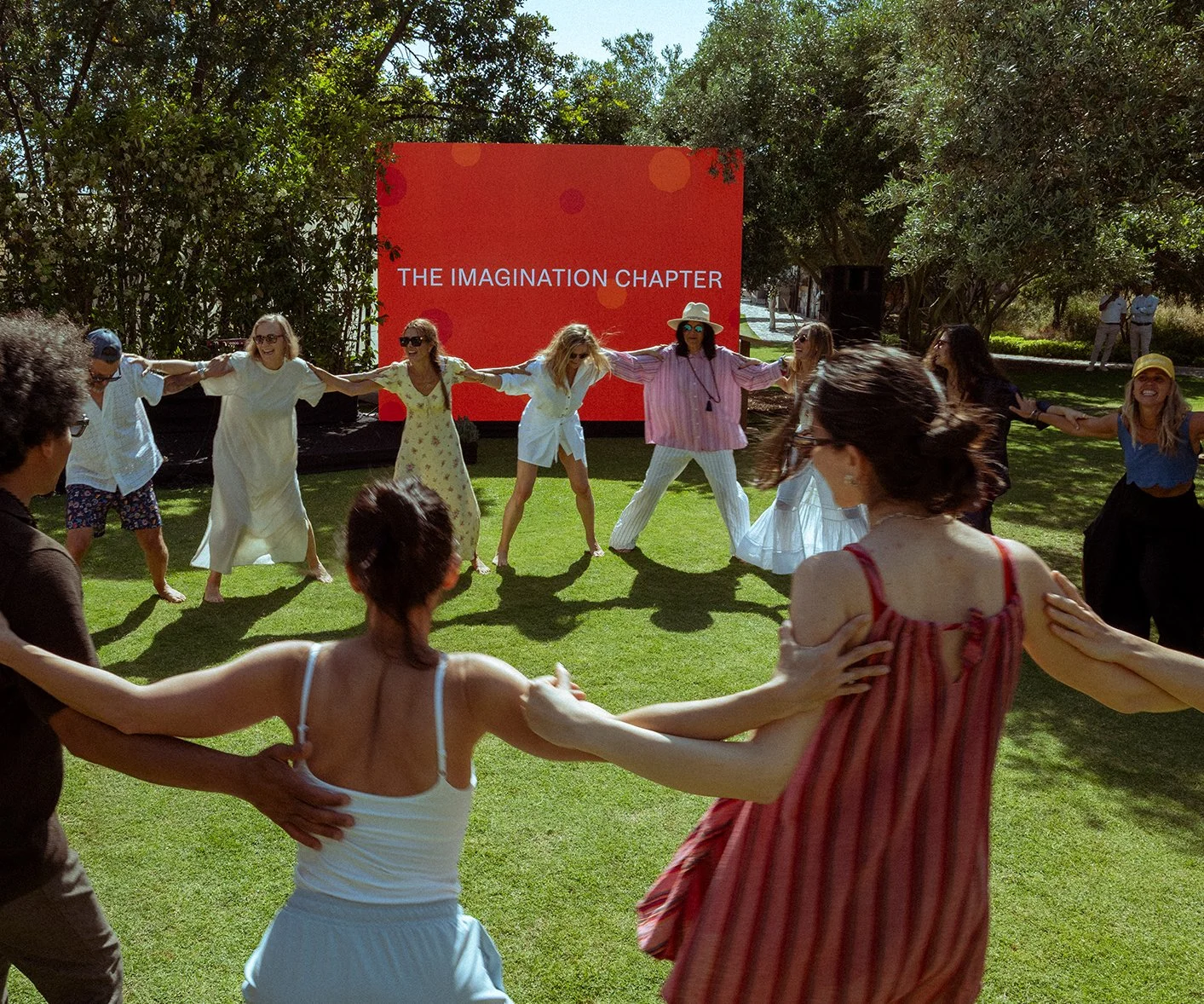
Over ten flagship editions, Harvest grew into much more than an annual event. It brought together an international community of entrepreneurs, artists, scientists, writers, activists and cultural figures, with roughly 250–300 people gathering for each flagship chapter. Majority returned year after year, creating a community shaped as much by continuity and relationships as by the programme itself.
In that sense, Harvest also played a role in introducing Kaplankaya to an international audience who may otherwise never have encountered it. The gathering gave people a reason to travel somewhere relatively remote, return to it, and associate the place with a particular kind of cultural and social experience.
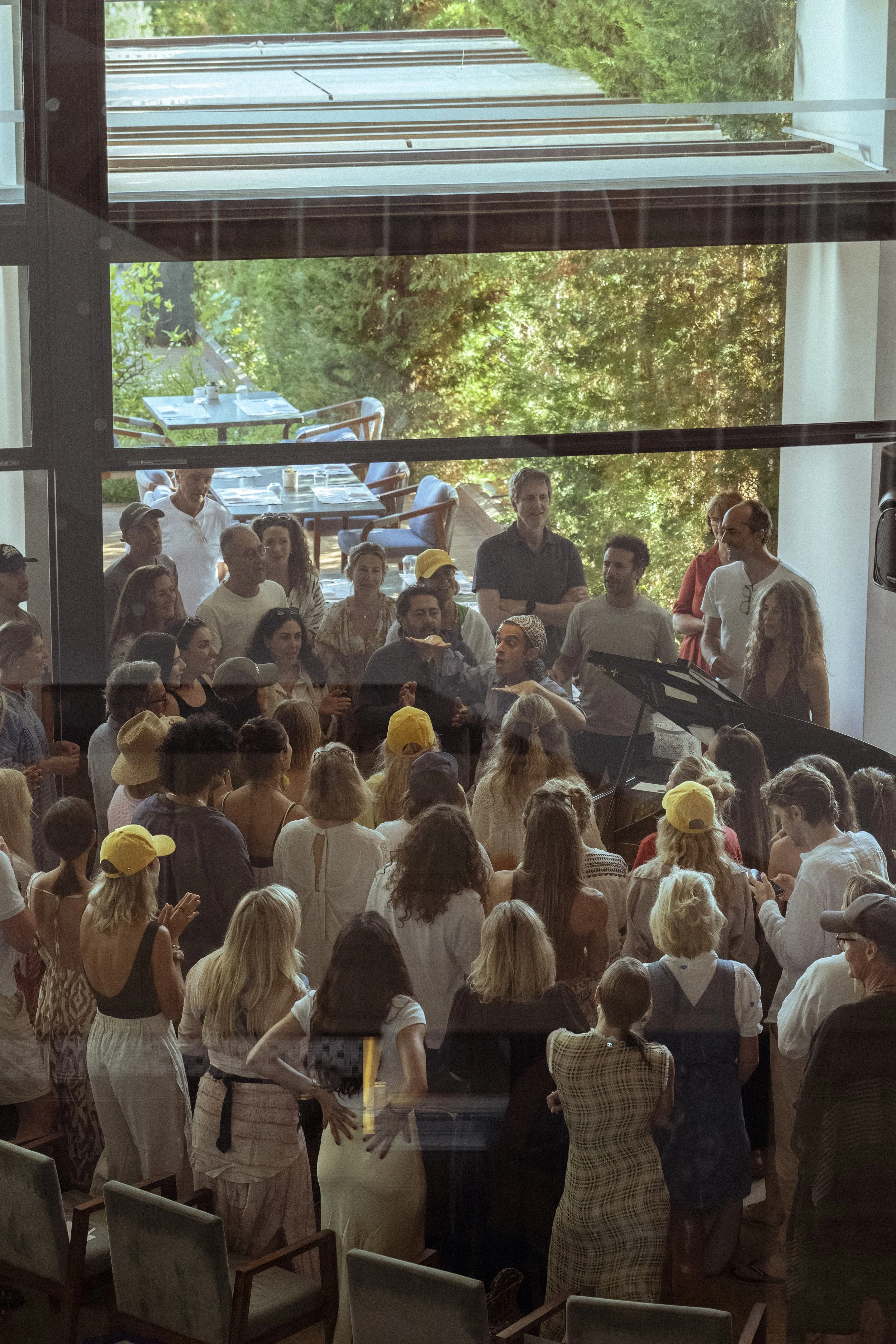
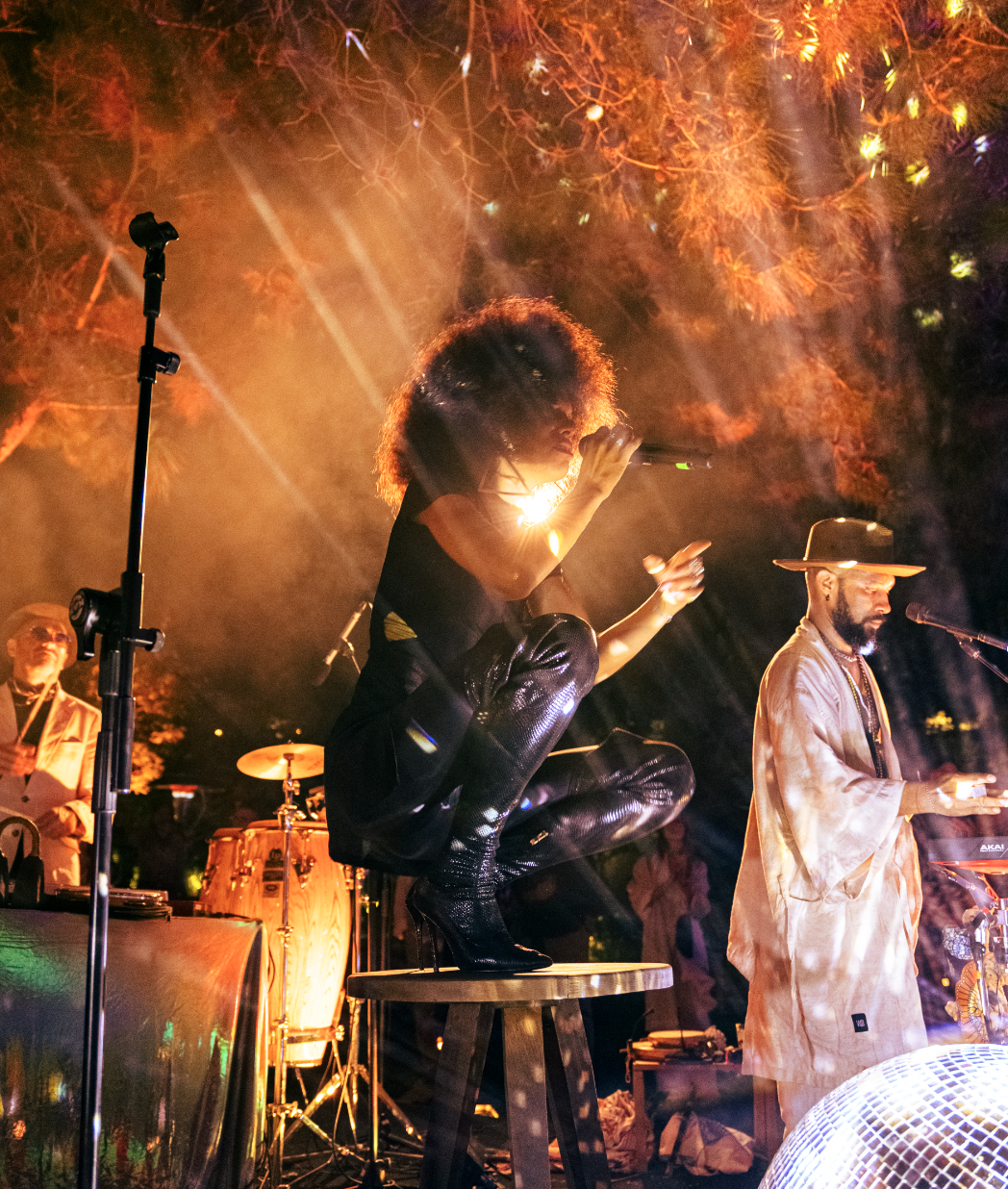
Roman founded Harvest and shaped its original concept and community. As the platform evolved, Naz led its brand and creative direction, rebuilding its visual identity and website from scratch and developing a new content and editorial strategy around the gathering.
This included creating Harvest’s magazine, an online talks library, a new newsletter strategy, and the wider content system through which the ideas generated at Harvest could continue to live throughout the year. She also led creative direction across photography and film, creating greater consistency between the physical experience of Harvest and how it appeared beyond Kaplankaya.
The result was an ecosystem that extended well beyond the few days of the gathering itself: live events, editorial, film, podcast, publishing and an evolving archive of conversations and ideas.
Harvest became both a community and a cultural platform: one in which brand, content, programming and place reinforced each other, and where a remote destination became part of the identity of the community built around it.