beije
Making periods part of culture.
beije was founded in Turkey as a direct-to-consumer menstrual care brand in a category that had long been treated as purely functional: something to buy, hide and move on from.
Naz co-founded the company and led its brand, positioning, voice and creative direction from the beginning. The ambition was not simply to make period products look better. It was to make the entire category feel more open, desirable and culturally relevant.
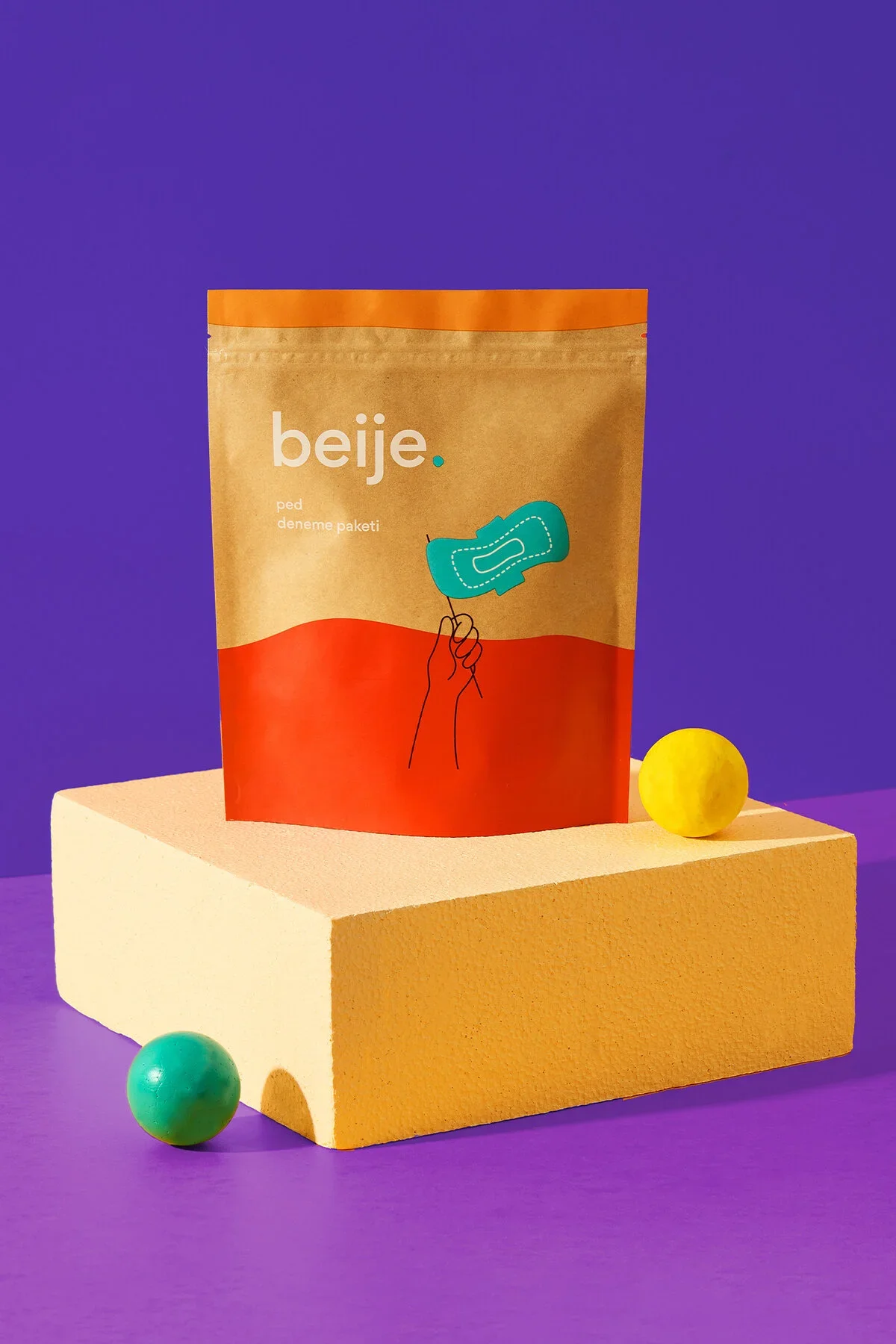
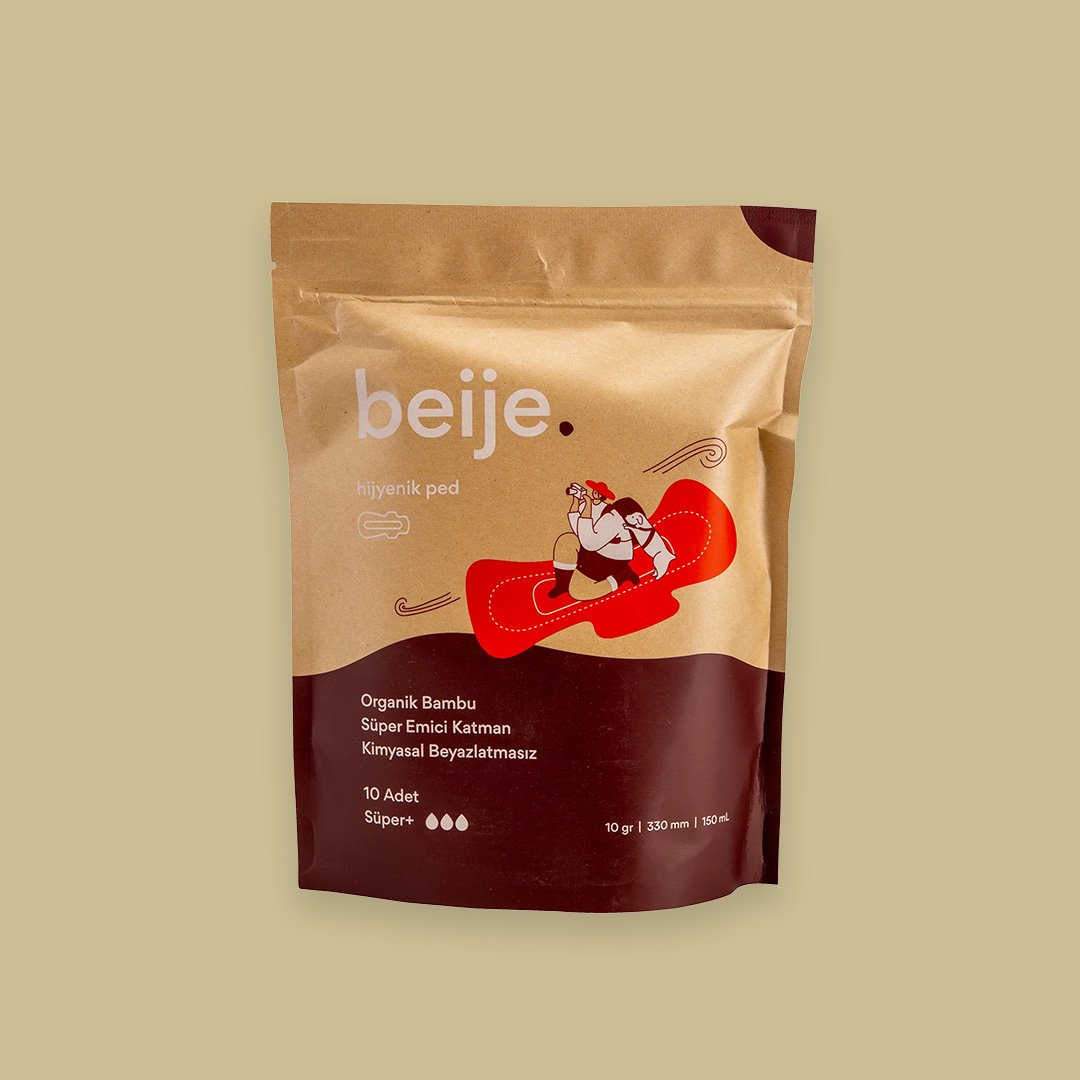
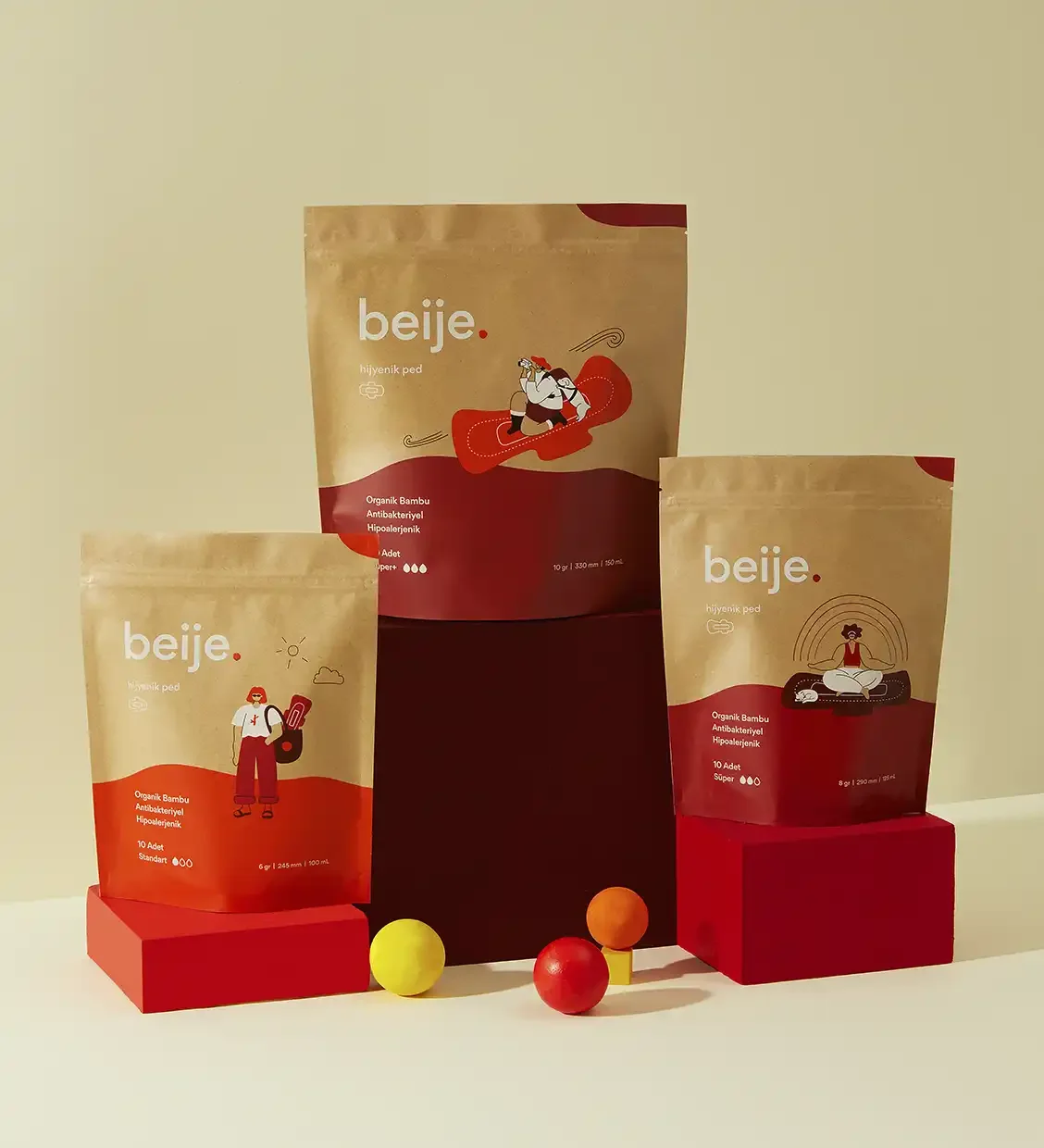
That meant building a brand that was accessible enough for an everyday mass product, but aspirational enough to create genuine affinity. The visual identity, packaging, campaigns, editorial content and social presence were all designed as parts of the same system, with a distinct point of view and a strong sense of humour.
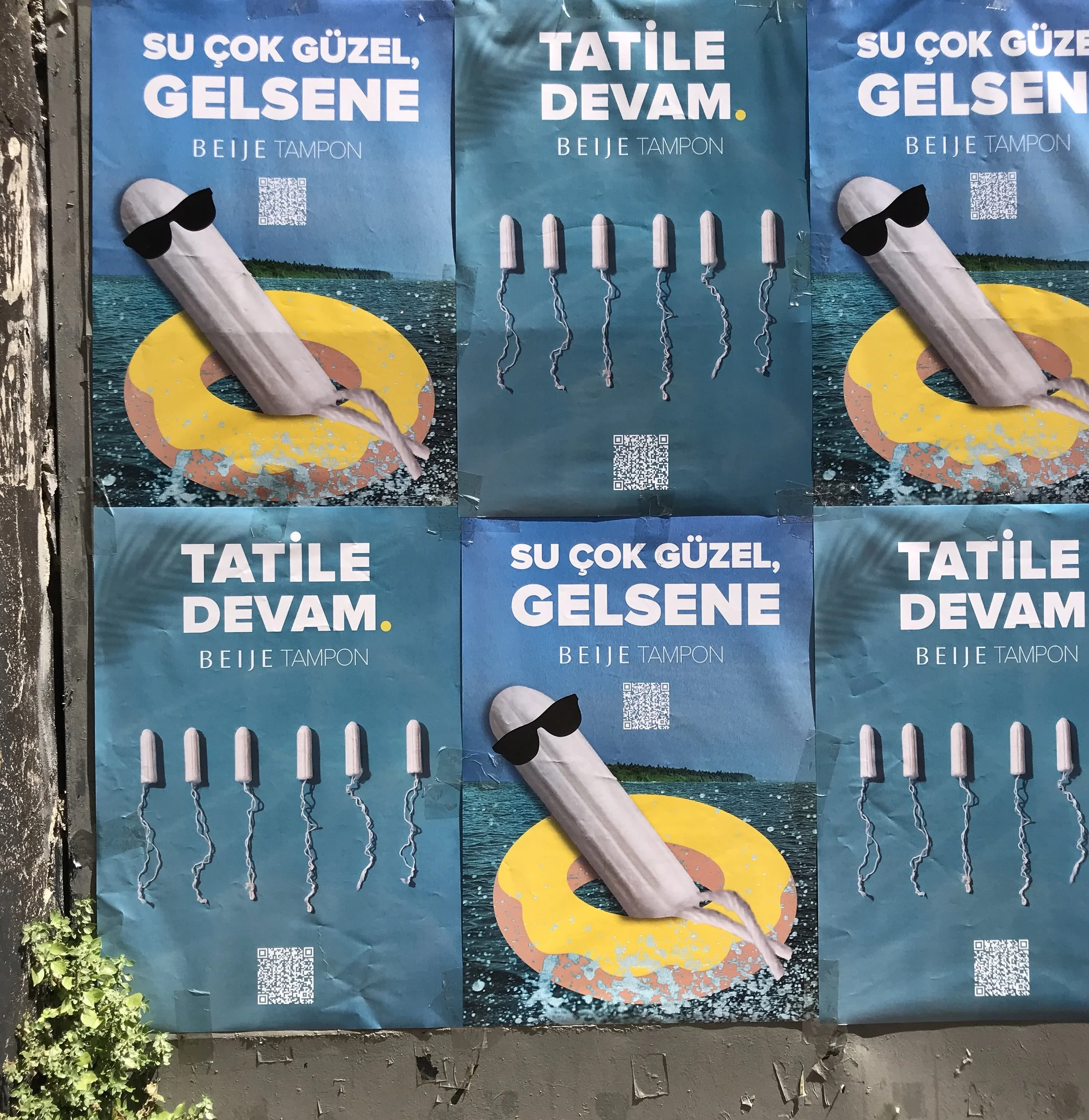
The brand treated periods as something that could be spoken about plainly, visibly and without embarrassment. Campaigns and content ranged from product education and irreverent tutorials to public-facing creative work that challenged how menstruation was represented in everyday life.
Over time, beije grew into a community of more than 300,000 people and became a recognised love brand in its category. Its content and campaigns extended beyond product communication into education and culture, while partnerships with municipalities and NGOs brought period education to girls and young women outside the brand’s immediate customer base.
The brand’s cultural reach was reflected in coverage across Turkish editions of Vogue, ELLE, and Harvard Business Review Türkiye among others, extending the conversation beyond menstrual care into fashion, culture, society and business.
Product, content, community and advocacy were never treated as separate layers. Together, they turned a needs-based category into a brand people actively identified with, talked about and shared.
For Naz, beije became a long-term exercise in category reframing: how to build desire around a functional product, create cultural relevance without losing accessibility, and make a brand coherent enough to be recognised in everything from its packaging to its behaviour.

NEXT CASE STUDY →